


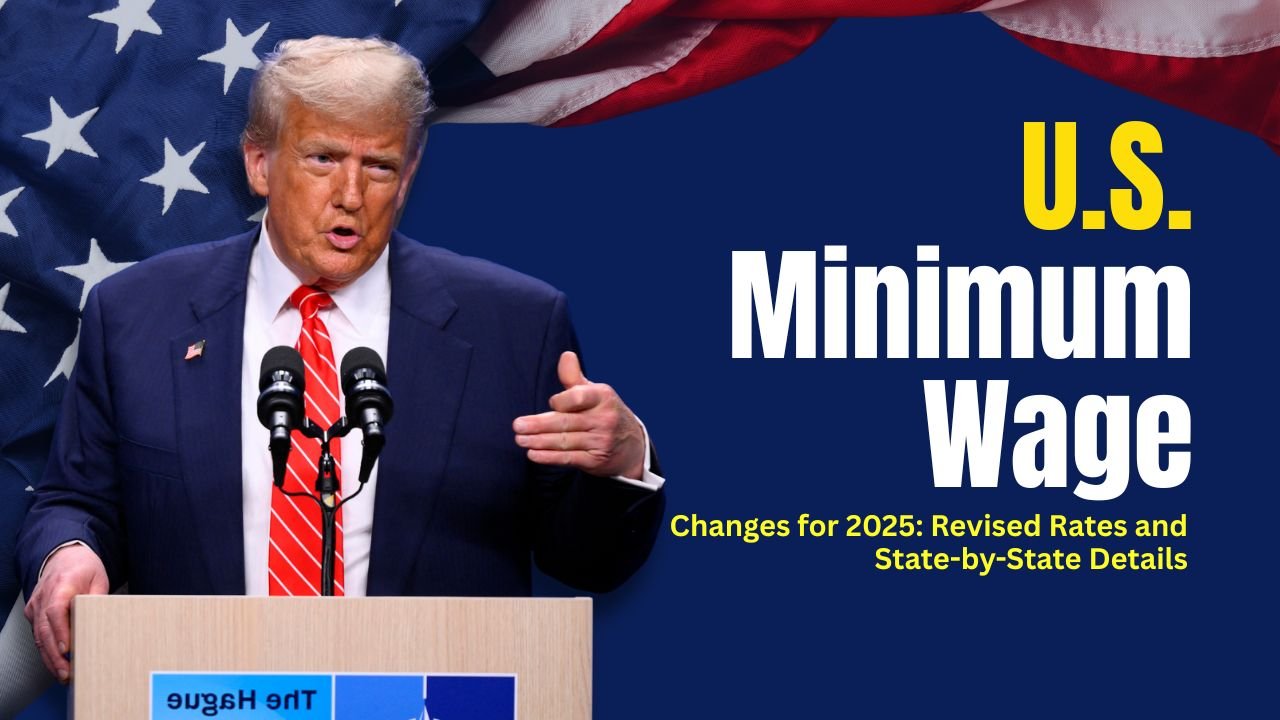
The conversation surrounding the U.S. Minimum Wage 2025 has quickly become a central economic issue, as the nation prepares for a major wage shift that will influence millions of employees and countless businesses. Beginning 25 November 2025, the federal minimum wage will officially climb to $9.50 per hour, marking the first nationwide adjustment in more than 15 years. This long-awaited change arrives at a time when American workers are grappling with rising living expenses, soaring housing costs, and inflation-driven price increases, making wage reform an urgent priority for low-income households.
The new rate is a part of the government’s broader strategy to enhance financial stability for the working population, particularly in industries where wages have remained unchanged for decades. Federal authorities have also outlined a long-term objective to lift the minimum wage to $15 per hour by 2030, aligning pay with ongoing cost-of-living and inflation trends. With strong public interest and active negotiation among policymakers, unions, and business leaders, the 2025 minimum wage hike is shaping up to be one of the most significant labour reforms of the decade.
State-Level Minimum Wage Updates for 2025
States Exceeding the Federal Minimum Pay
Because the United States maintains both federal and state-specific wage laws, workers must be paid whichever rate is higher. In 2025, numerous states will institute minimum wages above the national baseline of $9.50 per hour.
Key State Wage Increases
- California: $17.50 per hour—one of the highest due to high living costs
- New York:
- NYC, Westchester & Long Island: $17.00 per hour
- Rest of the State: $16.00 per hour
- Washington State: $17.25 per hour
- Oregon, Florida, Illinois, Colorado: Between $14.00 and $17.25 per hour
Texas, which has followed the federal minimum wage for many years, will also increase its state rate to $9.50, marking its first raise in 15 years. These wide-ranging increases show how states are addressing economic disparities, cost-of-living pressures, and inflation-adjusted pay requirements, ensuring minimum wage workers receive more sustainable earnings.
Updated Wage Rules for Tipped and Youth Workers
Higher Base Pay for Tipped Employees
The U.S. Minimum Wage 2025 rollout also introduces important changes for workers in the hospitality and service sectors. Tipped employees—such as restaurant servers and hotel staff—will now earn a higher base wage of $5.50 per hour. Employers are legally required to ensure that tips plus base pay reach a minimum of $9.50 per hour. This update aims to create more predictable earnings for workers whose income depends heavily on customer tips and fluctuating business activity.
New Guidelines for Youth Workers
Workers under 20 years old will receive a training wage of $8.00 per hour during their first 90 days of employment. After this period, they must be paid the full federal minimum wage of $9.50 per hour. These reforms help young workers gain experience while preventing employers from misusing reduced training wages for extended cost-saving.
Employer Duties and Compliance Expectations for 2025
Payroll, Recordkeeping, and Multistate Compliance
Businesses must revise their payroll systems, wage structures, and internal policies before the November 25, 2025 rollout. Employers must ensure that all categories of workers—full-time, part-time, seasonal, tipped, and youth—receive the legally required minimum wage.
Companies operating in multiple states must follow whichever wage, federal or state, offers a higher earning advantage for employees. Accurate payroll records are essential for compliance, as failing to follow updated wage laws could lead to penalties or legal consequences.
Government Support for Transition
Federal and state agencies will issue revised compliance manuals and assist employers in adjusting to the new standards. Authorities highlight that this reform is crucial for economic growth, workforce stability, and improved living conditions. Businesses are advised to track upcoming wage announcements for 2026 and beyond, since future increases may respond directly to inflation and ongoing cost-of-living indicators.
The announcement of $1,702 Relief Payments for November 2025 — Who Qualifies and When They’ll Arrive has created major interest among Americans waiting for financial support during rising costs. This update explains who can receive the payment, how eligibility is determined, and when beneficiaries should expect their money. The title highlights both the amount and the timeline, helping people quickly understand the purpose of the program. Overall, $1,702 Relief Payments for November 2025 — Who Qualifies and When They’ll Arrive captures the key details citizens want to know.
Conclusion
In conclusion, the U.S. Minimum Wage 2025 marks a significant turning point for both the national workforce and employers. With rising costs putting pressure on household budgets, the new federal wage of $9.50 per hour aims to provide meaningful relief while prompting businesses to adapt to changing labour expectations. The combination of state-level increases, updated rules for tipped workers, fairer wages for youth employees, and enhanced employer responsibilities reflects a stronger nationwide push toward economic fairness and long-term wage sustainability. As the country approaches the implementation date, staying informed and compliant will be essential for both business operators and employees navigating this new wage environment.
FAQs
1. When will the new federal minimum wage take effect?
The updated federal minimum wage of $9.50 per hour will begin on 25 November 2025.
2. Do states have different minimum wage rates?
Yes. Many states will have higher minimum wage rates than the federal level in 2025, and employers must pay whichever amount is higher.
3. What changes apply to tipped employees under the 2025 wage reform?
Tipped workers must earn a base wage of $5.50 per hour, and their tips must bring total earnings to at least $9.50 per hour.