
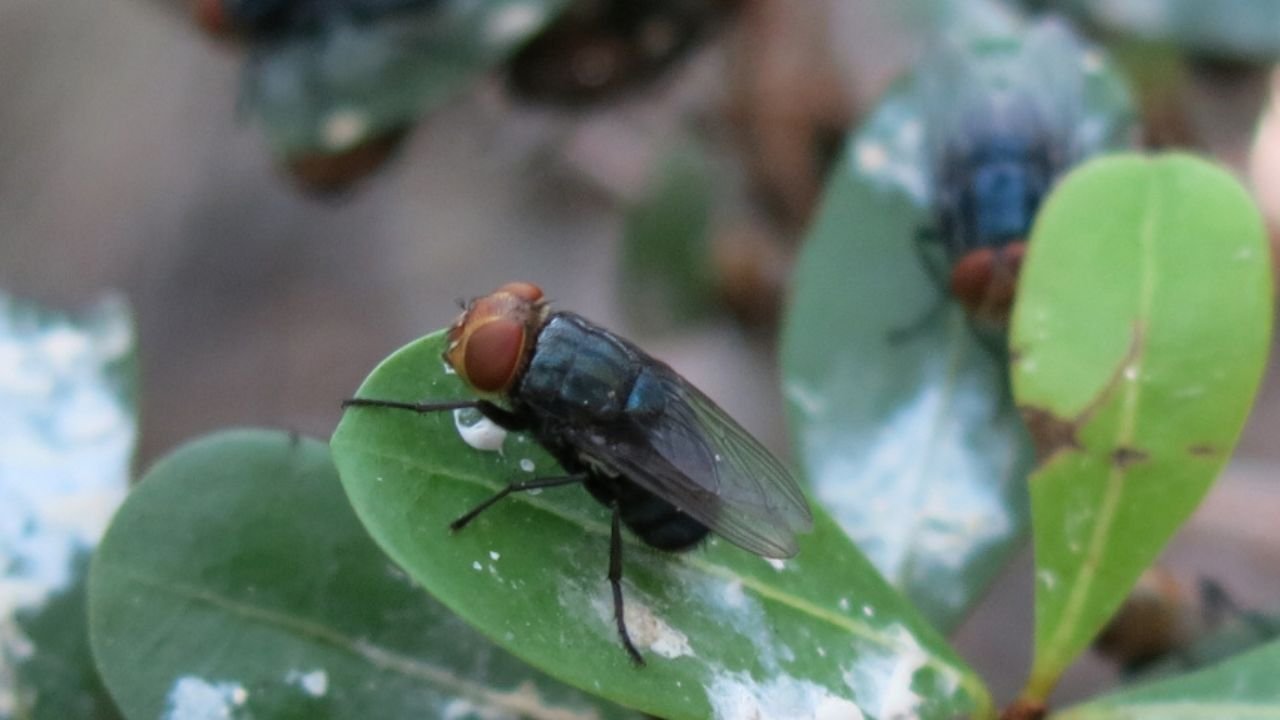
The U.S. Department of Agriculture (USDA) has officially completed a major infrastructure project aimed at stopping the spread of the New World Screwworm (NWS)—one of the most destructive pests affecting livestock and wildlife in North America. This newly built sterile fly production facility in Tampico, Mexico, marks a major milestone in the ongoing U.S.–Mexico collaboration to control, contain, and eliminate this parasitic threat.
USDA officials emphasize that this facility represents a leap forward in pest management, rapid response capability, and cross-border agricultural protection.
A Breakthrough Facility Supporting NWS Eradication
Enhanced Sterile Fly Production
According to USDA Undersecretary for Marketing and Regulatory Programs Dudley Hoskins, the Tampico center is designed to generate a powerful volume of sterile flies essential for suppressing NWS outbreaks.
The facility is set to produce and release nearly 24 million sterile flies per week, allowing aerial teams to cover larger regions more efficiently. This large-scale production capacity is central to the national NWS eradication program, which relies on continuous dispersal of sterile insects to prevent infestations.
Importance of Aerial Dispersal
Hoskins highlighted that having an aerial distribution option significantly improves the program’s reach and speed. With aircraft deployment:
- Sterile flies can be delivered across Mexico, including regions where ground operations are slow or difficult.
- Remote and mountainous zones—often too rugged for ground crews—can now be covered quickly.
- Areas like northern Mexico and Nuevo León, where NWS detections were reported earlier this year, can receive faster intervention and more effective pest suppression.
He noted that during recent detections, USDA teams were deployed within hours, but ground distribution still posed major logistical challenges. Aerial methods eliminate many of these barriers.
Faster, Wider Pest Control Across Difficult Terrain
Expanding Reach Across Mexico
The new facility enables USDA and Mexican authorities to load aircraft directly in Tampico and send them to almost any affected location. This broader and faster geographic access means:
- Quicker responses to new NWS cases
- Improved coverage in hard-to-reach regions
- More reliable protection for livestock, wildlife, and rural communities
By boosting the program’s operational flexibility, the facility strengthens the overall pest-control infrastructure that protects both nations.
Collaboration and Commitment Through Shutdown Delays
Overcoming Setbacks to Meet the Deadline
Despite the challenges posed by a 43-day federal government shutdown, the USDA, APHIS teams, and their Mexican partners at Senecica worked relentlessly to bring the facility online.
Although the original target date was November 10, the team completed the project only three days later, on November 13. Hoskins praised the dedication of both U.S. and Mexican staff, commending their 24/7 effort throughout the shutdown period.
He emphasized that their commitment ensured the facility was operational almost exactly on schedule, maintaining momentum in the fight against the New World Screwworm.